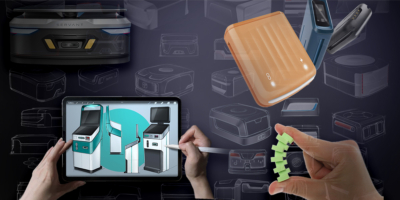
The Role of Industrial Design in Value-Added Manufacturing
Today, industrial design goes far beyond determining the appearance of a product. From user experience and manufacturing efficiency to brand perception and commercial success, it directly influences the value a product creates. In this article, we examine how industrial design can become a strategic advantage for businesses and explore its relationship with innovation.
What is the role of industrial design in value-added manufacturing? How should companies seeking growth through innovation position industrial design within their organizations?
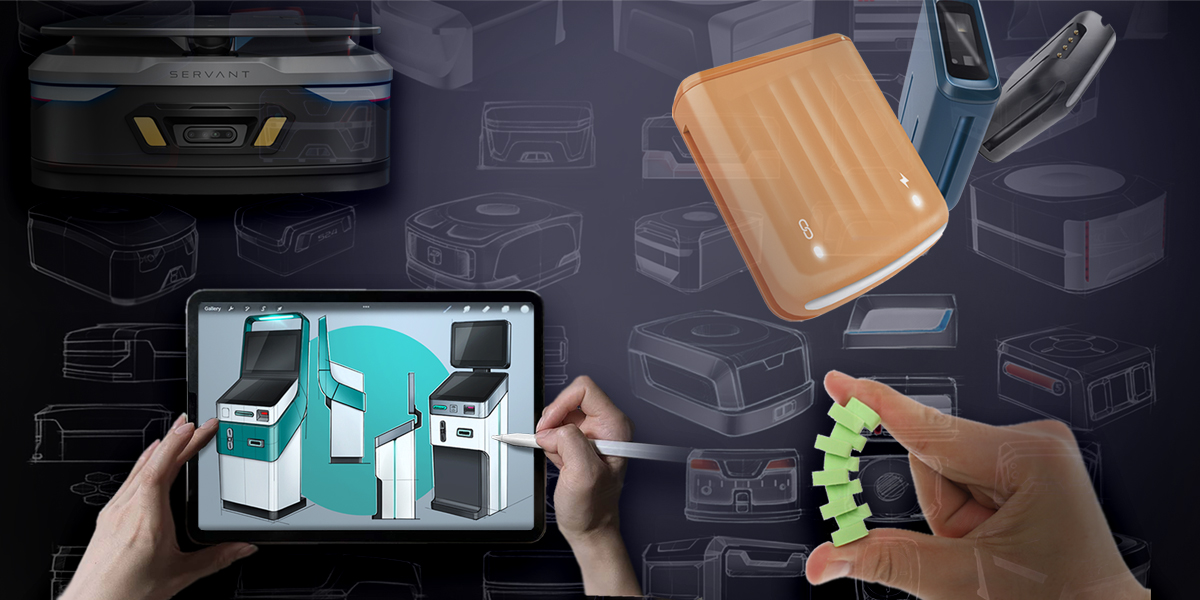
To answer this question, industrial design must first be defined correctly. Contrary to common perception, industrial design is not simply about improving a product’s appearance. Aesthetics is important, but it is only the visible dimension of design. The fundamental role of industrial design is to shape, as a whole, the product’s relationship with the user, its ergonomics, functionality, manufacturability and the value it contributes to the brand.
It is not enough for a product simply to function. Users should be able to understand it easily, operate it safely and perform maintenance efficiently when required. At the same time, the product should reflect the brand’s identity and perception of quality. Industrial design brings engineering capabilities and user needs together within a single product.
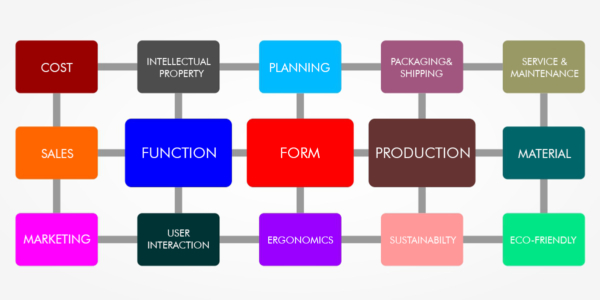
Industrial design shapes:
- The relationship a product establishes with its user,
- How it is manufactured,
- How it performs in the field,
- How it is positioned in the market.
Industrial design therefore affects not only aesthetics, but also usability, manufacturing efficiency and a product’s success in the market. Good design goes beyond making a product look attractive; it makes the product understandable, desirable and efficient. Value-added manufacturing is built on precisely this holistic approach.
Industrial design does more than solve an existing problem; it often redefines the problem and reveals new opportunities. This is where design fundamentally intersects with innovation. Both aim to transform an original idea into a tangible and useful outcome.
“Innovation is the transformation of a new idea into value.”
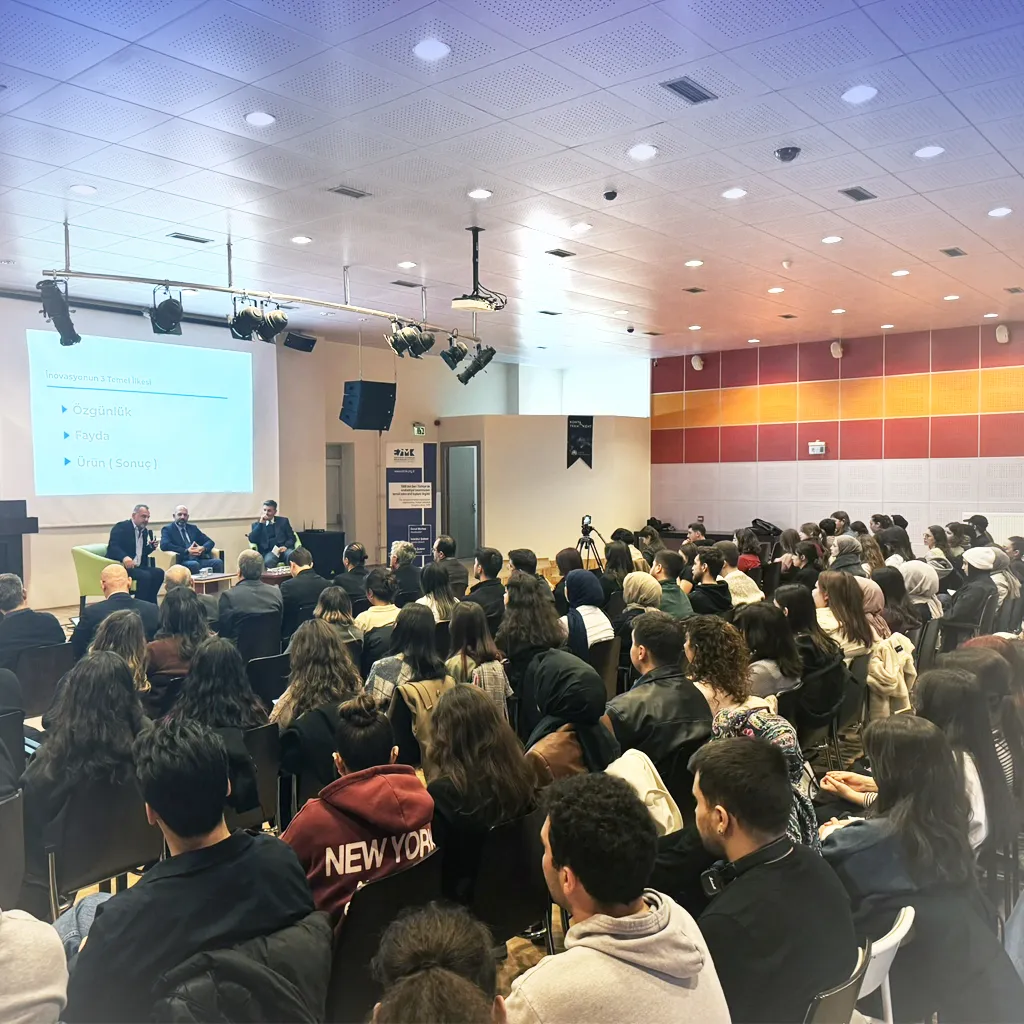
Innovation, creativity and design converge around three fundamental principles:
- Developing an original approach
- Creating genuine value
- Transforming an idea into a tangible and feasible outcome
Industrial design approaches an idea in exactly this way. It analyzes needs and evaluates the user, manufacturing, technology and the market together, transforming the idea into a viable product. In this sense, industrial design is the visible and usable form of innovation.
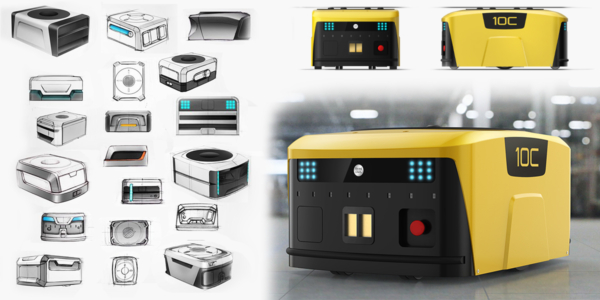
The industrial design process:
- Maintains continuous communication with R&D,
- Progresses in alignment with engineering and manufacturing capabilities,
- Is shaped together with marketing and brand objectives,
- Reaches the end user as tangible value.
Today, products stand out not simply because they work, but because they are easy to use, clearly understood and readily adopted by users. What creates this difference is industrial design’s approach of treating the product as a complete whole.
Companies seeking to grow through innovation and strengthen their competitiveness should position industrial design at the beginning of the process, not at the end. Designers are not simply responsible for aesthetic decisions; they are strategic partners in product development. When positioned correctly, industrial design transforms the product, brand perception, user loyalty and commercial performance together.
In conclusion:
Industrial design is not a cost; it is an investment.
If we are talking about innovation, industrial design should not be positioned outside this structure, but at its center. Design transforms innovative ideas into products that can be manufactured, used and valued in the market. In Part 2, we will examine the direct and indirect benefits this approach can create for companies.